HELIX360
strategy-leadership
Value Assessment in 2025–2026: From Tech Spend to Real Outcomes
As SMBs enter Q4 2025 and look to 2026, the pressure to show ROI on tech investments intensifies. Here’s how to rethink value assessment and align solutions with outcomes.

Chet Naran

The Pressure Is On
With one quarter left in 2025, companies in the $1M–$50M ARR range are at a crossroads. Leaders must finish the year strong while preparing for 2026, a year that will demand sharper value assessment, more disciplined spending, and better outcome alignment.
It’s no longer about whether you have the tools, it’s about whether those tools deliver measurable business results.
1. The Hidden Cost of SaaS Sprawl
Recent studies show mid-market firms waste up to 30% of their SaaS spend on duplicate or unused apps. The problem isn’t access to tools, it’s the lack of visibility and alignment. As growth accelerates, fragmented tech stacks quietly drain resources.
That’s like buying a gym membership for the whole company and only half the team ever showing up, except instead of treadmills, it’s $18 million worth of software licenses.
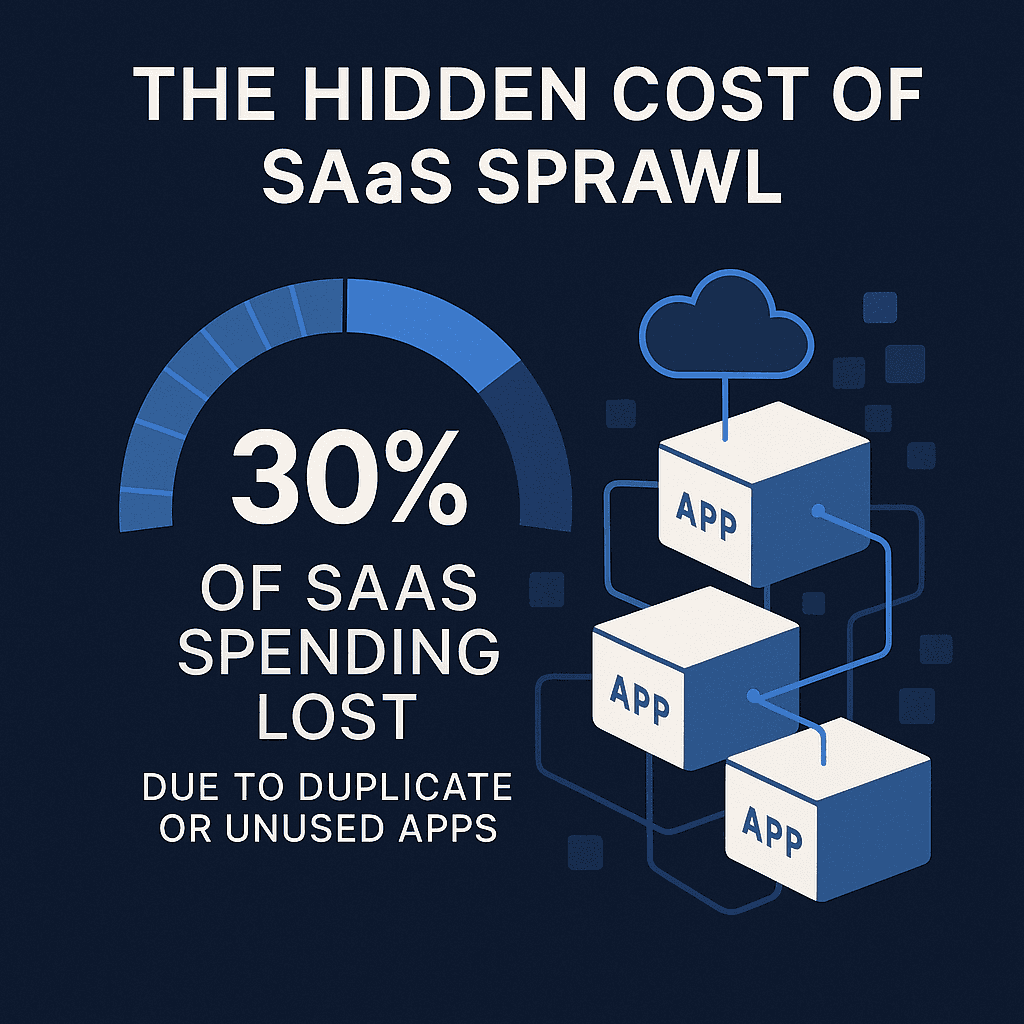
Source: Zylo, 2024 SaaS Management Index (via CFO Dive)
2. Cybersecurity and Compliance Pressure
Heading into 2026, cyber risk is only getting sharper. Mid-sized firms are big enough to be targets but often lack enterprise-grade defenses. Underinvestment in security, combined with complex compliance demands, turns technology value into a liability if not managed carefully. That’s why regular risk assessments or a strategic roadmap consultation are worth the time, they tie goals to outcomes in a safe, compliant manner and give leaders clarity on where the real gaps are.
Think of it like changing your passwords, a hassle for five minutes, a lifesaver when something goes wrong.

3. The Efficiency Question
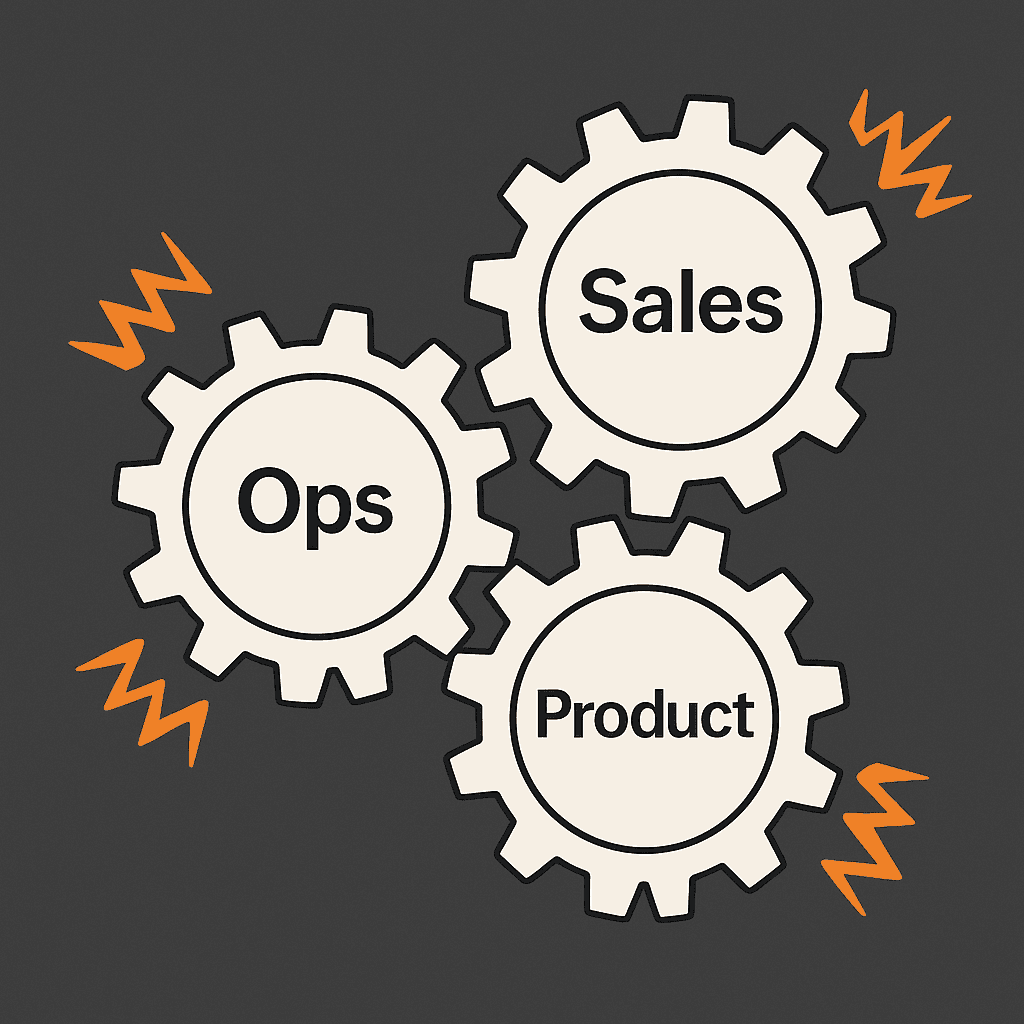
Tech ROI is directly tied to process efficiency. Founder-era workflows and early tech decisions become bottlenecks at scale. It’s the business version of keeping that one broken chair around, everyone avoids it, but nobody replaces it. Without disciplined evaluation, companies find themselves paying for tools that patch symptoms instead of solving root issues.
AI is already becoming a major lever for operational efficiency, and its role will only grow. The question isn’t if SMBs use it, but how. The companies winning today, and positioning for tomorrow, are the ones adopting AI with discipline: building compliance, governance, and clear ROI measures into every rollout.
4. Data Without Direction
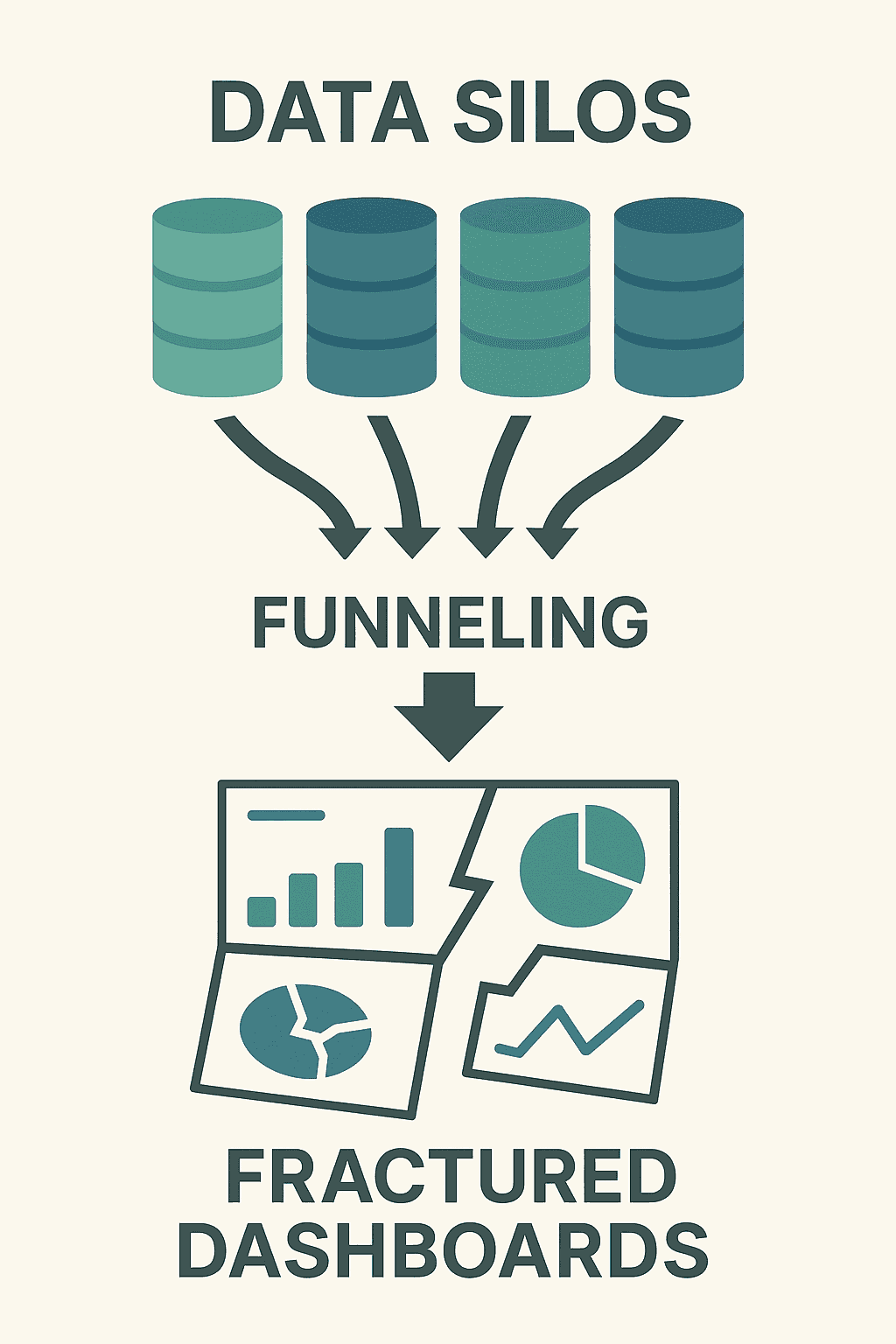
Data has become the lifeblood of growth, but siloed systems keep it from being a strategic asset. Without an integrated view, companies can’t build the single source of truth needed for smart decisions. The result? Leaders drown in dashboards without clarity on outcomes.
5. Consider Fractional Leadership for Faster Value Assessment
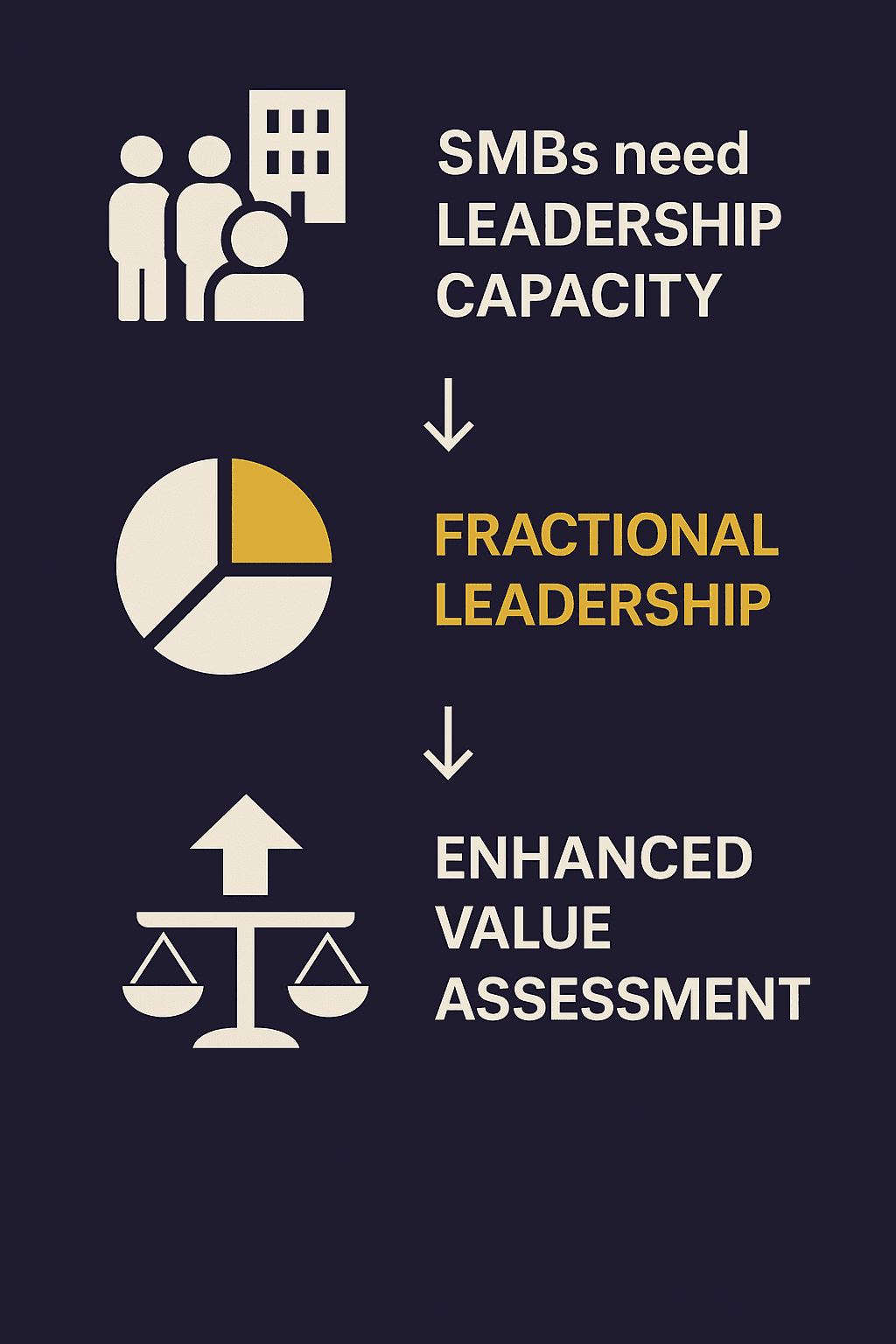
Here’s the reality: many SMBs don’t have internal expertise to run rigorous value assessments. That’s where fractional executives can help, bringing external perspective, benchmarking knowledge, and playbooks that accelerate ROI clarity.
Fractional leaders can:
Spot redundancies quickly.
Benchmark tech spend against industry peers.
Build outcome-driven scorecards.
And let’s be clear: there are excellent technology providers building solutions that absolutely deliver outcomes. But without the right evaluation and alignment, even the best solutions risk being underused or undervalued. Fractional leadership bridges that gap, ensuring good solutions are fully realized.
Closing Thought: 2025 Into 2026
The final quarter of 2025 is not just a sprint, it’s the launchpad for 2026. Companies that sharpen their value assessment now will enter the new year with stronger alignment, better capital efficiency, and fewer blind spots.
As you close out 2025 and look ahead to 2026, how will you evaluate the true value of your technology and leadership investments, and are you preparing your bench to carry the weight of what’s coming?


